
silver wall mirrors for living room
The Essence of Quality Spirit Level A Guideline for Precision and Excellence In the world of construction, carpentry, and architecture, precision is of paramount importance. A key instrument that has stood the test of time in ensuring this precision is the spirit level. Often overlooked, the quality of a spirit level can dramatically affect the accuracy of any project, be it a simple shelf installation or a complex building structure. This article explores the significance of the quality spirit level, alongside best practices for its selection and use. Understanding the Spirit Level A spirit level, commonly referred to as a ‘bubble level,’ consists of a sealed vial filled with liquid and an air bubble. The vial is fixed within a frame, and when the tool is placed on a surface, the position of the bubble indicates whether that surface is level or plumb. The accuracy of a spirit level is fundamentally dependent on the quality of its construction. High-quality spirit levels are manufactured with precision and can yield accurate readings, while inferior products may lead to discrepancies and errors. The Importance of Quality When discussing quality in spirit levels, several factors come into play, including the material used, the manufacturing processes, and the calibration of the tool. A high-quality spirit level is typically constructed from durable materials like aluminum or high-grade plastic, ensuring longevity and resistance to wear. Furthermore, reputable manufacturers often employ rigorous quality control measures to ensure that each tool is calibrated correctly. This means that users can trust their readings, leading to better project outcomes. quality spirit level The consequences of using a subpar spirit level can be significant. Inaccurate readings can lead to misaligned structures, which may cause a cascade of issues ranging from aesthetic imperfections to safety hazards. For example, in construction, walls that are not plumb can lead to structural weaknesses, adversely affecting the integrity of the entire building. Therefore, investing in a quality spirit level is not just a matter of convenience; it is essential for safety and accuracy. Selecting a Quality Spirit Level When choosing a spirit level, consumers should look for certain qualities. First and foremost, the level should be easy to read—features such as large, clear vials with bold markings can significantly enhance usability. Additionally, a good spirit level should have protective features, such as shock-absorbing ends or a rugged exterior, to withstand the rigors of professional use. Another critical factor is the length of the spirit level. While shorter levels (e.g., 24 inches) are ideal for smaller tasks, longer levels (e.g., 48 inches or more) are better for larger projects, offering a more extensive and stable surface for measuring. Digital spirit levels are also emerging in the market; they offer enhanced accuracy and can be useful for advanced projects. Conclusion In conclusion, the quality spirit level is indispensable in fields that prioritize precision and quality. As tools that can make or break a project, selecting a high-quality spirit level is a decision that should not be taken lightly. By understanding the importance of these tools and adhering to selection criteria, professionals and DIY enthusiasts alike can ensure their work is built on a solid foundation of accuracy. Ultimately, embracing quality in spirit levels is a step towards excellence in craftsmanship and construction.
about
silver wall mirrors for living room
Understanding Measurement The 4% Foot Level with Ruler When it comes to measurement, precision is key, and tools like rulers become essential in various fields such as architecture, carpentry, and education. One intriguing aspect of measurement is how seemingly small percentages can lead to significant implications in real-world applications. The concept of the 4% foot level often ties into height measurements, adjustments, and standards across different disciplines. In this article, we will explore what the 4% foot level signifies, its applications, and the importance of accurate measurement with tools like rulers. The Basics of Measurement To understand the essence of the 4% foot level, we must first discuss measurement itself. Measurement involves assigning numbers to physical quantities. Rulers provide a straightforward way to measure lengths, widths, and height. The typical ruler, often marked in both inches and centimeters, enables individuals to ascertain dimensions accurately. Rulers can come in various formats. For instance, a standard wooden ruler usually measures 12 inches long, while a metric ruler can measure up to 30 centimeters. Both rulers are divided into smaller increments, allowing for precise readings. In fields where precision is paramount, such as engineering or construction, even a slight miscalculation can result in significant errors. This is where the 4% foot level can come into play, dictating specific thresholds for measurements. The Concept of the 4% Foot Level The term “4% foot level” might not be universally defined, but it can refer to several specific situations related to design and structural integrity. Generally, in contexts like building codes or safety regulations, a 4% variance could relate to allowable tolerances in height or levelness to ensure safety and functionality. For instance, in sloped surfaces, adherence to the 4% foot level could mean maintaining the slope within acceptable limits for accessibility and safety. 4 foot level with ruler In the construction industry, understanding and maintaining proper levels is crucial. The 4% foot level could be a guideline for setting the maximum allowable slope of a ramp, surface, or other structures. For instance, a ramp designed for wheelchair access must comply with the Americans with Disabilities Act (ADA), which stipulates that the slope should not exceed 112 ratio, corresponding to roughly 8.33%. If we calculate a 4% grade, this translates to a slope of about 1 inch of rise for every 24 inches of run. This ensures that those who may have mobility challenges can access buildings and public spaces safely. Using a Ruler for Precision To achieve accuracy in measurements relating to the 4% foot level, using a ruler effectively is essential. When measuring a slope or an elevation, one can use a level ruler to determine if the incline adheres to the specified percentage. For instance, suppose you want to create a ramp with a grade of 4%. By extending the ruler horizontally to a length of 12 inches, you can measure the rise; a rise of 0.48 inches would denote compliance with the 4% level standard. In practical applications, not only architects and engineers benefit from these measurements, but also DIY enthusiasts and everyday individuals undertaking home projects. A simple measuring task can lead to effective and safe solutions when one follows guidelines like the 4% foot level. Conclusion In summary, understanding the concept of the 4% foot level in combination with using rulers for measurement is integral to achieving accuracy across various fields. Whether in construction, design, or personal projects, maintaining precision ensures adherence to safety and performance standards. With the right tools and knowledge, anyone can achieve effective measurements that foster safe environments and functional designs. As we navigate the complexities of measurement, it becomes evident that small percentages can carry considerable weight in creating accessible, safe, and efficient spaces. Embracing accurate measurement practices ultimately leads to better outcomes in our built environment and daily lives.
-

High quality industrial productsagement

High quality industrial products
View Details -

Meet the diverse needs of customers

Meet the diverse needs of customers
View Details -

Strict quality control

Strict quality control
View Details -

Top raw materials

Top raw materials
View Details -

Trusted supplier

Trusted supplier
View Details
Our application
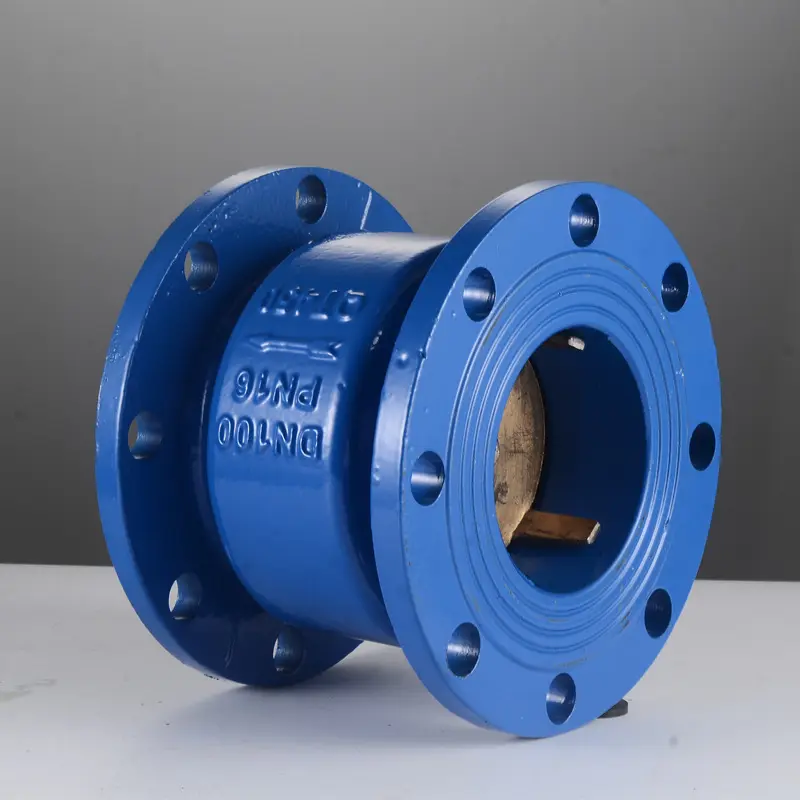
news and information
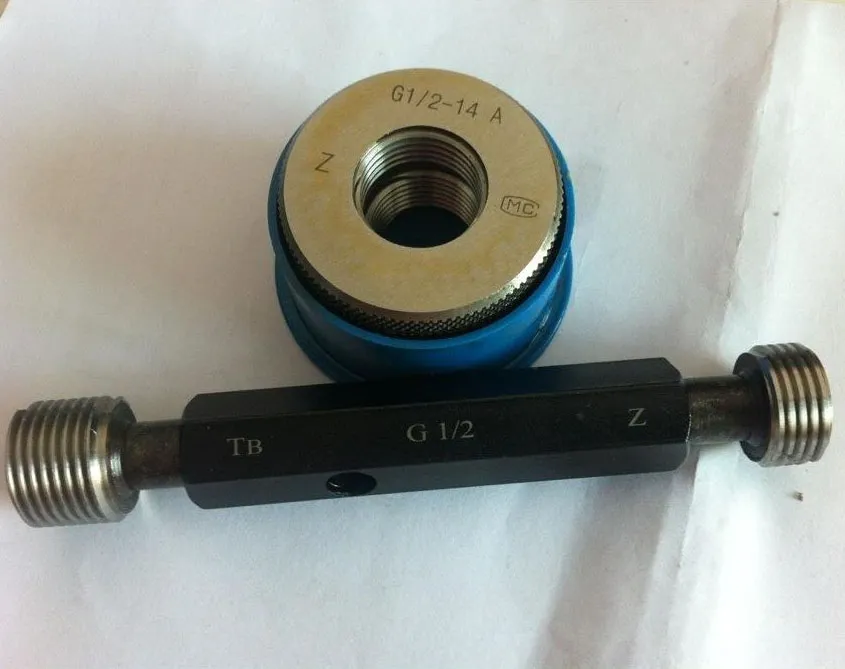
Vertical Y Strainers for Efficient Liquid Filtration Solutions
vertical y strainer .
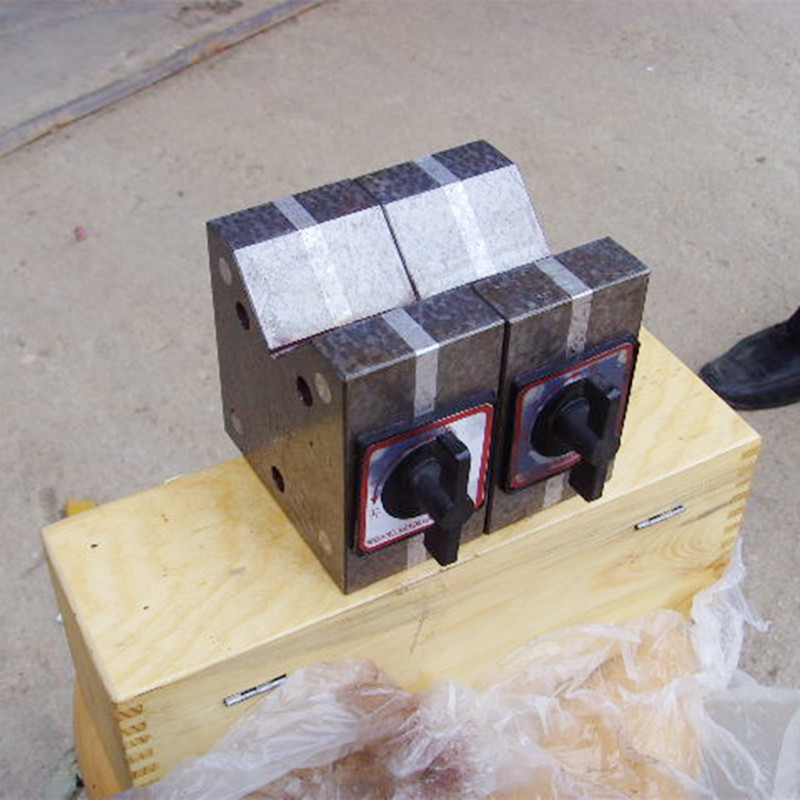
Válvula de puerta de 3 cuchillos
La válvula de compuerta de cuchilla al 3% es un componente esencial en muchos sistemas industriales
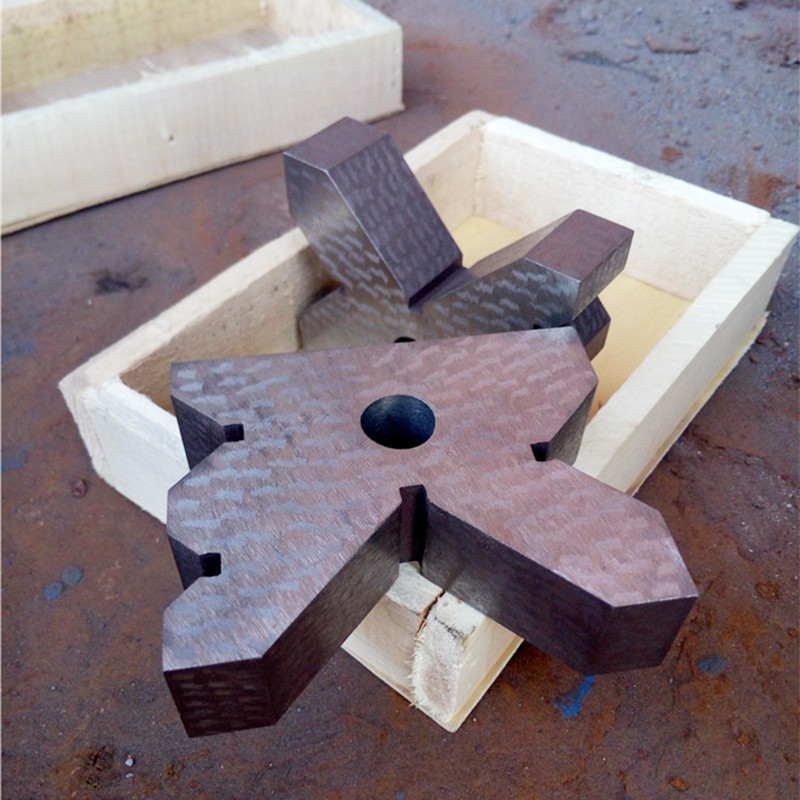
Welding Tables Available for Purchase Online at Competitive Prices
When it comes to welding projects, having the right equipment is crucial to ensure efficiency and qu
 English